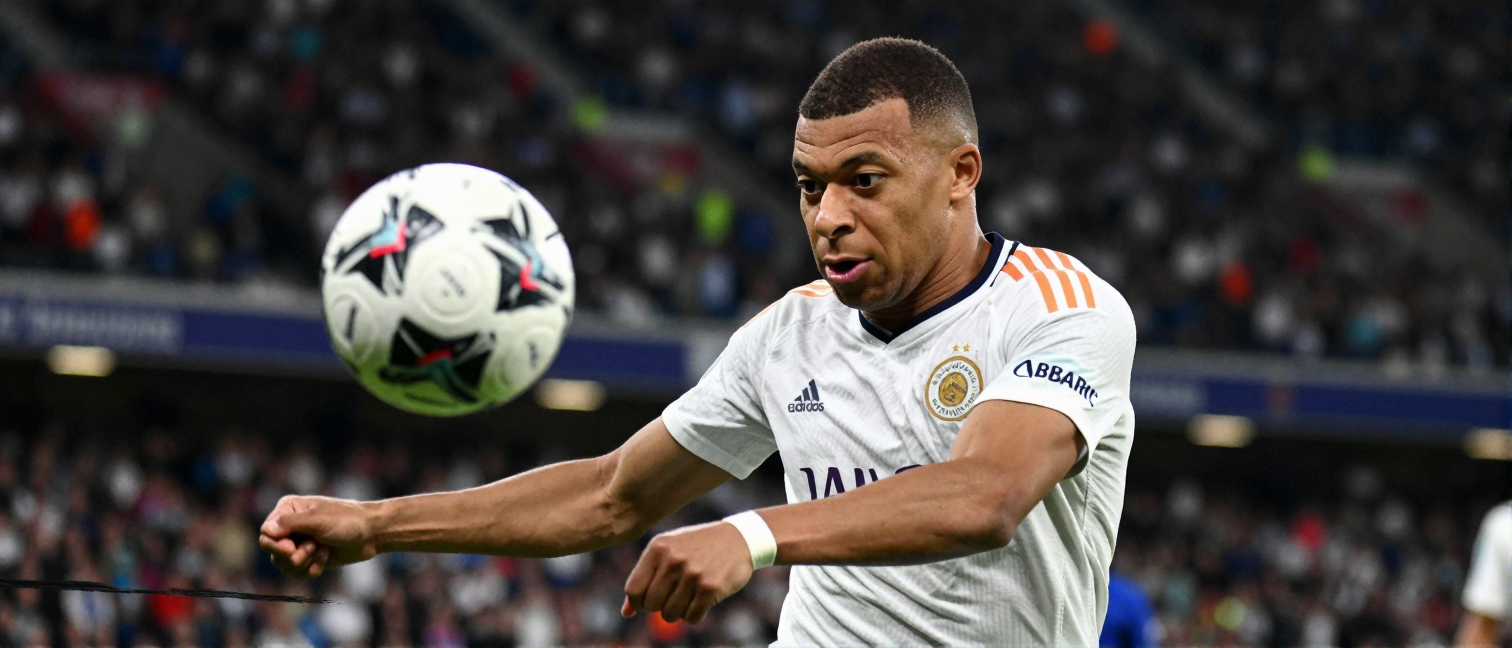
Kylian Mbappé blasted a Paraguayan senator on 5 Jul 2026 after the lawmaker used a racist slur against the French star, demanding an apology and urging stricter anti‑racism measures in sport.
What sparked the confrontation?
During a press conference in Asunción, Senator Óscar González referred to Mbappé as a "despicable woman" following the player's recent goal‑scoring run with Paris Saint‑Germain. The comment, made while discussing broader issues of immigration, instantly drew criticism from fans and officials. Mbappé, who was in Paraguay for a charity match, responded on the spot, calling the remark "unacceptable" and "a direct attack on my dignity".
How did Mbappé react?
Mbappé stepped forward, his voice firm, and said, "I will not tolerate any language that dehumanises a player because of his background." He demanded that González issue a public apology within 48 hours and urged the Senate to adopt a zero‑tolerance policy for racism. The French forward also announced he would donate his next match bonus to a Paraguayan anti‑racism NGO.
Why does this matter for football?
The incident arrives as FIFA ramps up its anti‑discrimination campaign ahead of the 2026 World Cup. Mbappé's outburst puts pressure on South American institutions to align with global standards. It also reinforces the player's role as a vocal advocate beyond the pitch, echoing previous actions when he supported the Black Lives Matter movement in 2023.
What are the next steps?
Parliamentary officials said they will review González's comments and consider disciplinary action. Meanwhile, the Paraguayan Football Association pledged to work with local NGOs to educate players and fans. Mbappé is set to return to Paris Saint‑Germain for a Ligue 1 match on 12 Jul, where he is expected to wear a black armband in solidarity with anti‑racism causes.
How will fans respond?
Social media erupted with #MbappéAgainstRacism trending across Europe and South America. Supporters posted videos of the French star’s past charitable work, while critics argued the senator’s remarks were taken out of context. Regardless, the episode has sparked a broader conversation about the responsibilities of public figures in combating hate speech.
What does this mean for Mbappé’s legacy?
Beyond his on‑field achievements—over 250 career goals and a World Cup title—Mbappé is shaping his reputation as a champion for equality. His willingness to confront discrimination head‑on adds a new dimension to his influence, potentially inspiring younger players to speak out.
What can other athletes learn?
Mbappé’s decisive response shows that high‑profile athletes can leverage their platform to demand change. By linking personal action (donating his bonus) with public pressure, he sets a template for how sports figures might address injustice in real time.
What’s the broader impact?
If González apologises, it could signal a shift in how political leaders address racism in sport. Conversely, a refusal might fuel further activism from players and fans alike. Either way, Mbappé’s stance ensures the issue stays in the spotlight as the football world prepares for the upcoming World Cup.
Final note
The episode underscores that the battle against racism extends beyond stadium walls. Mbappé’s voice, amplified by his global stature, may prove decisive in shaping policies that protect players from hate‑filled rhetoric.